
Back pain is awful. I’ve been there, so I know how it feels! I was side-lined for a year with a back injury, which led me to designing my own fitness plan to make me fitter, stronger and happier. This same plan forms the basis of all the classes I run now.
Back pain can make sleeping difficult and can make sitting almost impossible. Walking can be challenging, and more vigorous exercise can be compromised. In short, back pain can be miserable.
Where people have suffered a back injury, I would always advise you to seek out professional medical help, but there are plenty of back pain episodes that are caused by the stresses and strains of everyday life, and this is where I think Pilates can help.
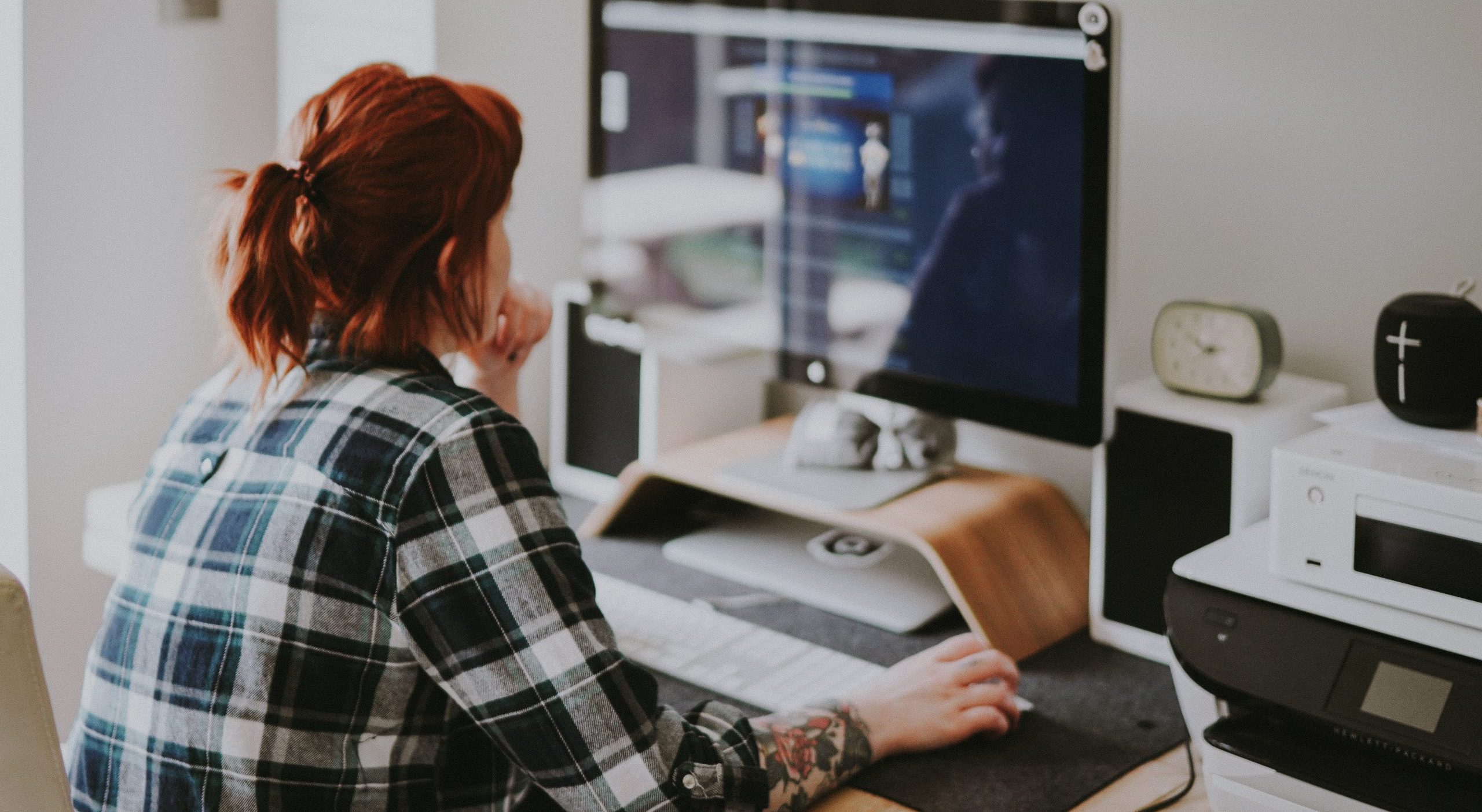
Sitting must be one of the main causes of back pain. Human beings were not designed to be sedentary and yet so many people spend hours of their days stuck at their desks. Poor postures caused by excessive sitting can lead to back pain.
Gardening is also a culprit. We have all found ourselves hunched over a flowerbed for hours, only to realised that standing up straight again is quite an effort. Many of my clients love their gardens but are not so enamoured with the lower back pain that can come with it!
Other activities that may also cause back pain, include making the bed, carrying heavy bags, standing for too long at an event, camping, hard bed, soft bed, and much more.
All the above may cause a strained muscle in our back that creates that nagging ache.
I looked up what advice the NHS gives for easing back pain and was heartened to see what their singular ‘Don’t’ was: “Do not stay in bed for long periods of time.” I agree, taking to your bed is the worse thing you could do.
You need to move. The NHS also advises to stay active and to “try doing some exercise and stretches for back pain.” This is where your trusted friend Pilates comes in, but not just as way of easing your pain, but for preventing it too.
Pilates for back problems
Gentle movements to mobilise your spine by twisting and flexing through your trunk and hips are ideal when you have back pain. You may know Pilates for sore back stretches by different names, such as Rolling Like A Ball, Single Leg Stretches, Spine Stretch Forward, Saw, Swan, Shoulder Bridge and Spine Twist. You do not have to nail them; just do what you can to help loosen your back off a bit. It will help!
Pilates for back strength
However, so much back pain can be avoided by being stronger and more flexible, so that you do not end up aching after pulling up all your weeds or carrying a suitcase. Pilates is designed to make your core stronger and all the muscles we use to carry out everyday tasks…and the not-everyday ones!
Pilates can also help you improve your posture so instead of slumping at your desk when you get tired, you can still sit up straight, even at the end of a long day.
This is why I know Pilates is a good well-being choice. By being stronger and more flexible, you will not need Pilates for back problems, because your regular Pilates sessions will have prevented you from getting back pain in the first place.